
Some mornings begin before you are ready for them. You wake up already thinking about the day. Messages. Work. Children. Clients. Errands. Training. Emails. The thing you forgot to do yesterday. The thing you need to handle today. So breakfast becomes whatever is easiest. Coffee.
Toast.
A banana.
A few bites while standing.
Something sweet with your first coffee.
Or nothing at all, because you are “not that hungry yet.” And for a few hours, it feels fine. Until it doesn’t. By late morning or mid-afternoon, your energy drops. You want something sweet. You feel snacky, foggy, or strangely hungry even though you technically ate. You reach for more coffee, then wonder why your cravings feel so loud later in the day. This is where many women blame themselves. They think they need more discipline. More control. More motivation. But sometimes the issue is much simpler. Your breakfast may not be giving your body enough support. A high-protein breakfast can be one of the most effective ways to create steadier energy, better fullness, fewer cravings, and a calmer relationship with food throughout the day. Not because breakfast is magical. Because your body responds differently when it is nourished early, instead of being asked to run on caffeine, stress hormones, and hope.

Why Protein at Breakfast Matters
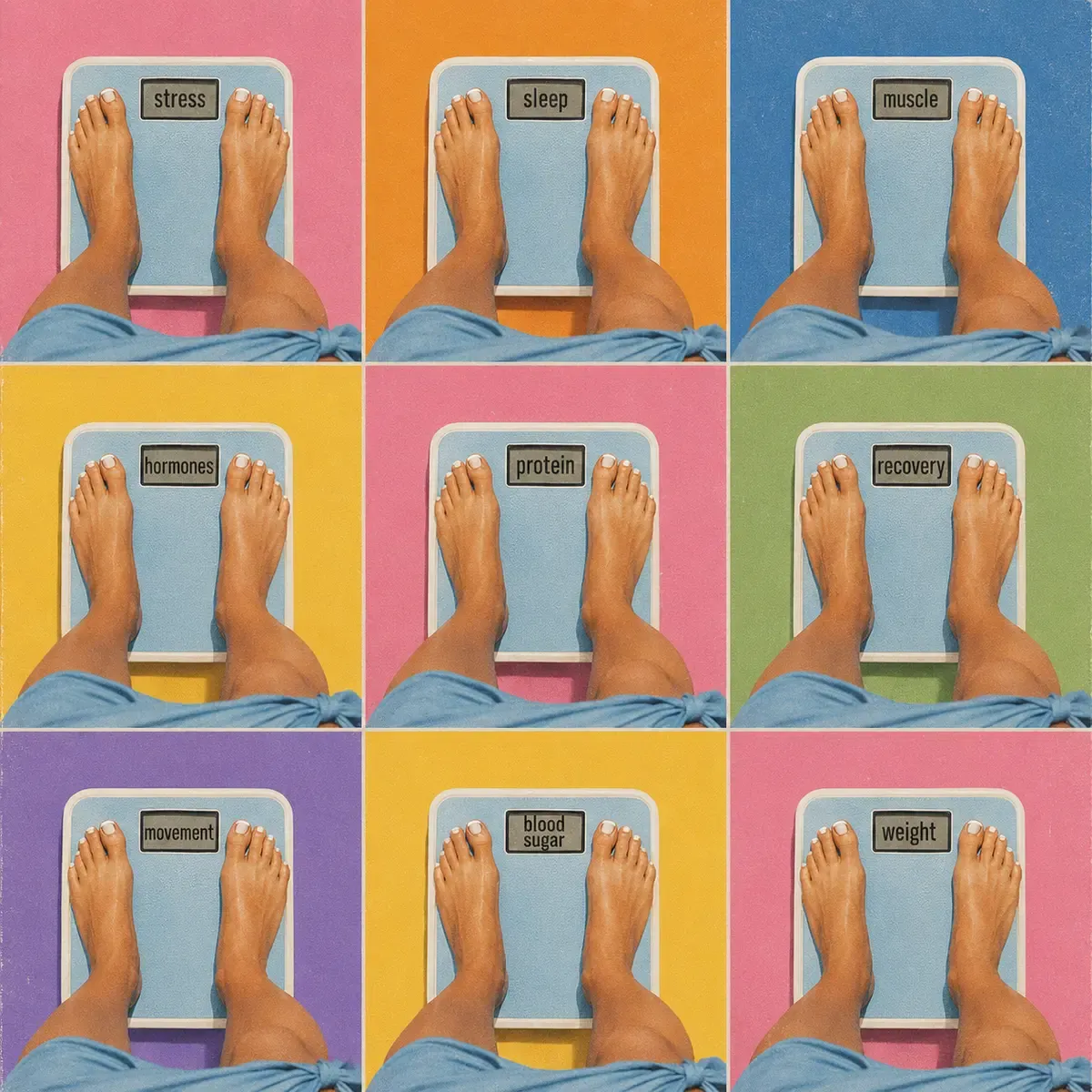
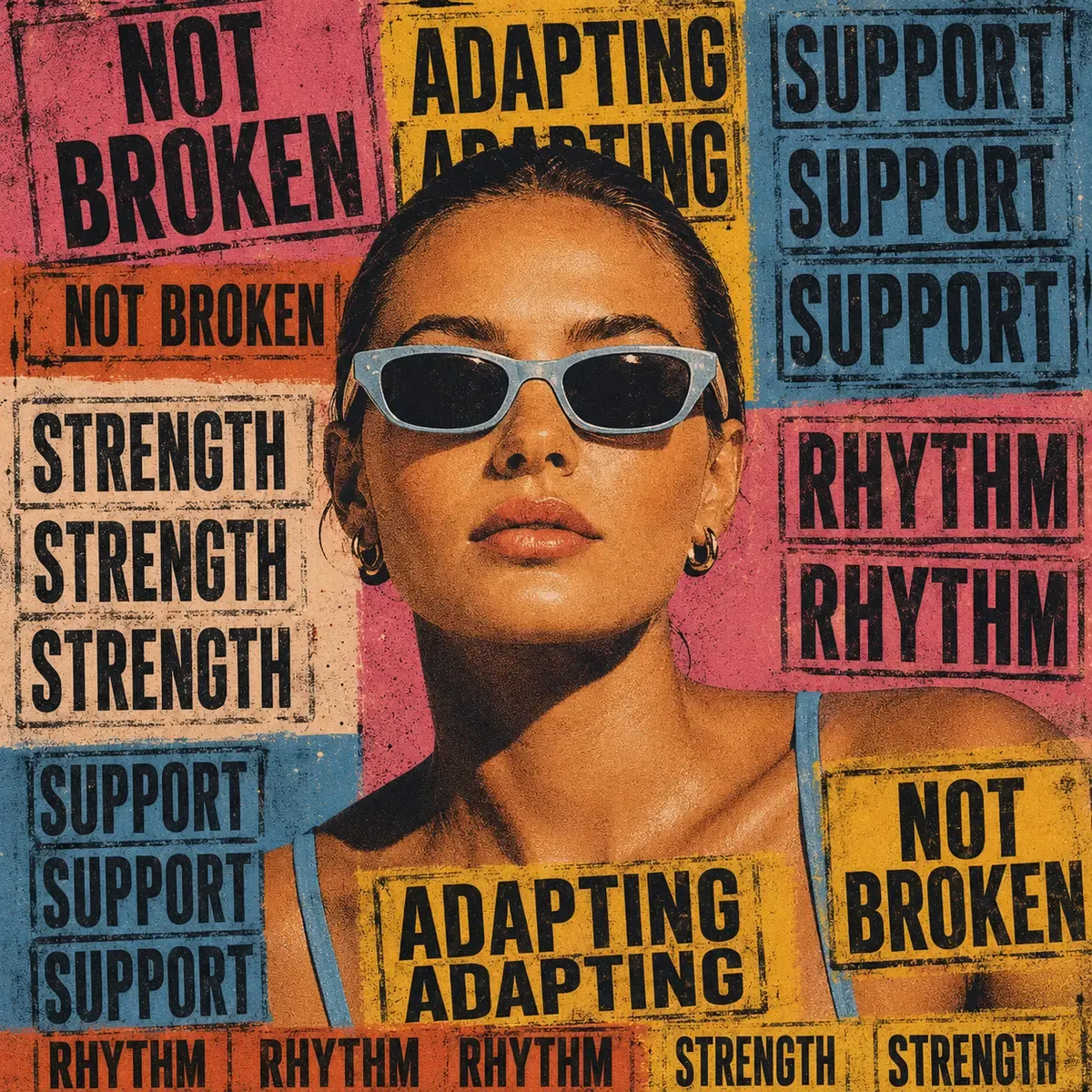
There is a particular kind of frustration that can arrive quietly in your thirties or forties. You are not necessarily eating wildly differently. You may still be exercising. You may even be more health-conscious than you were ten years ago. And yet, something feels different. Your energy is less predictable. Your cravings feel stronger. Your body composition changes more easily. You may feel softer around the middle, more tired after meals, or less able to “bounce back” after a poor night of sleep, a stressful week, or a few less-structured meals. It can feel like your metabolism has suddenly betrayed you. But your metabolism is not broken. It is adapting to a different season of life — one shaped by muscle, hormones, stress, sleep, blood sugar, movement, and recovery. For women, these changes can become more noticeable in the 30s and 40s, especially as life becomes fuller and hormonal shifts begin to unfold. The answer is not to panic, restrict harder, or punish your body with more intense workouts. The answer is to understand what is changing — and support your body with more skill.
What Does “Metabolism” Actually Mean?
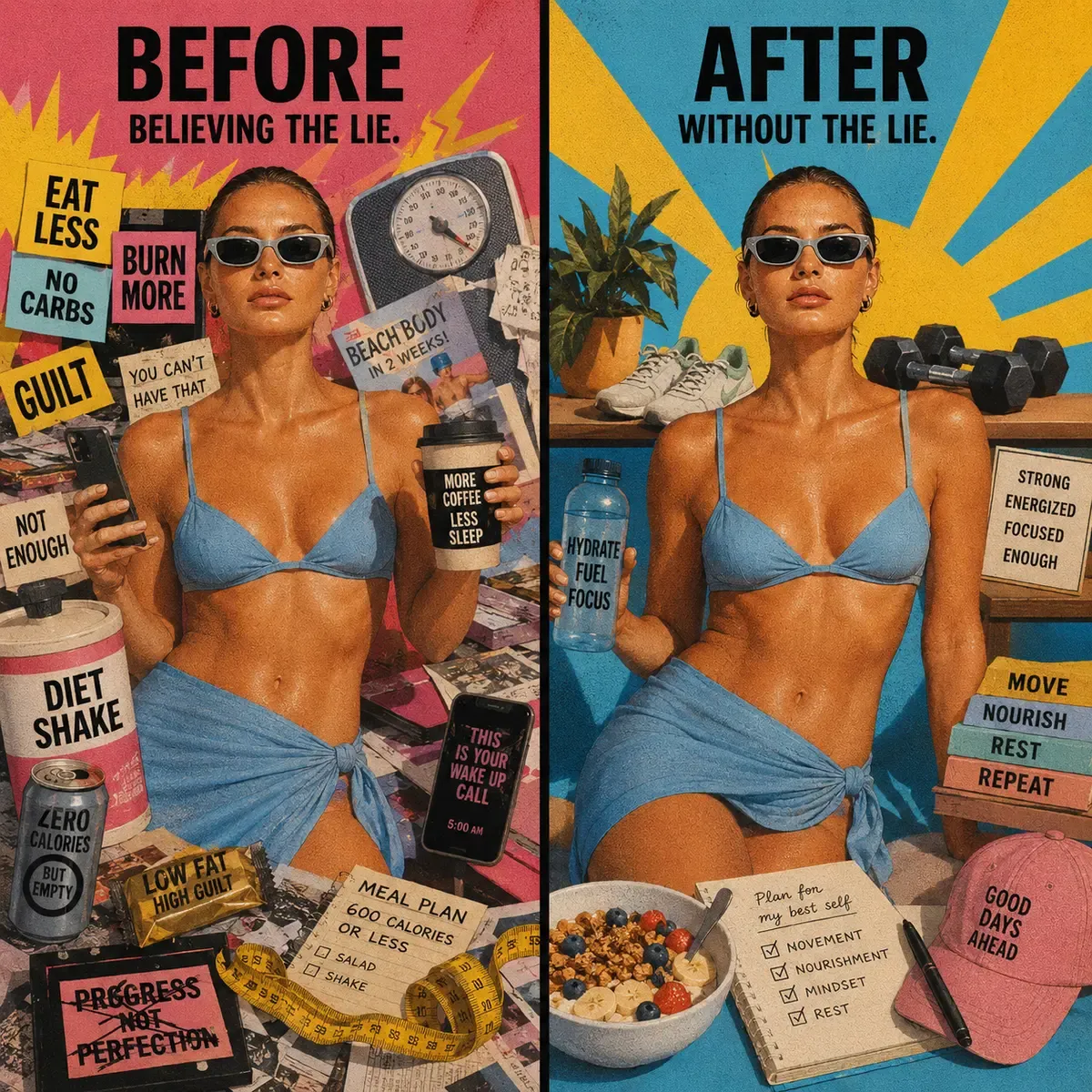
Metabolism is often used as a shorthand for weight. We say things like “my metabolism is slow” when what we usually mean is:
“I gain weight more easily,”
“I feel tired,”
“I cannot eat the way I used to,”
or “My body does not respond like it once did.” But metabolism is much broader than weight. Your metabolism includes all the processes your body uses to convert food into energy, regulate blood sugar, build and repair tissues, store and use fat, maintain muscle, support hormones, and keep you functioning. A healthy metabolism helps you feel:
-
energized
-
satisfied after meals
-
mentally clear
-
strong
-
resilient
-
stable in mood and appetite
-
able to recover from exercise and daily stress
So when your metabolism changes, it may show up in many ways — not just on the scale. You may feel more tired, more snacky, less strong, less rested, or more sensitive to stress. That does not mean something is wrong with you. It means your body may need different support than it did in your twenties.
Does Your Metabolism Really Slow Down After 30?
The answer is more nuanced than most wellness advice suggests. Metabolism does not usually collapse overnight when you turn 30 or 40. That idea is too simplistic. But the factors that influence metabolic health often do begin to shift during these decades. One major factor is muscle. Research shows that muscle mass can gradually decline after around age 30, especially without strength training and adequate protein intake. One review notes that muscle mass may decrease by roughly 3–8% per decade after age 30, with faster losses later in life. (PMC) For women, the menopause transition can also influence body composition. Findings from the SWAN study suggest that around the menopause transition, fat gain can increase and lean mass can decline, with changes occurring even when scale weight alone does not tell the full story. (PubMed) This matters because your metabolism is not only about how many calories you burn. It is also about how well your body manages glucose, preserves muscle, responds to insulin, handles stress, and recovers. So yes, your metabolism can feel different in your 30s and 40s. But it is not doomed. It is responsive. And that is the hopeful part.
1. You May Start Losing Muscle More Easily
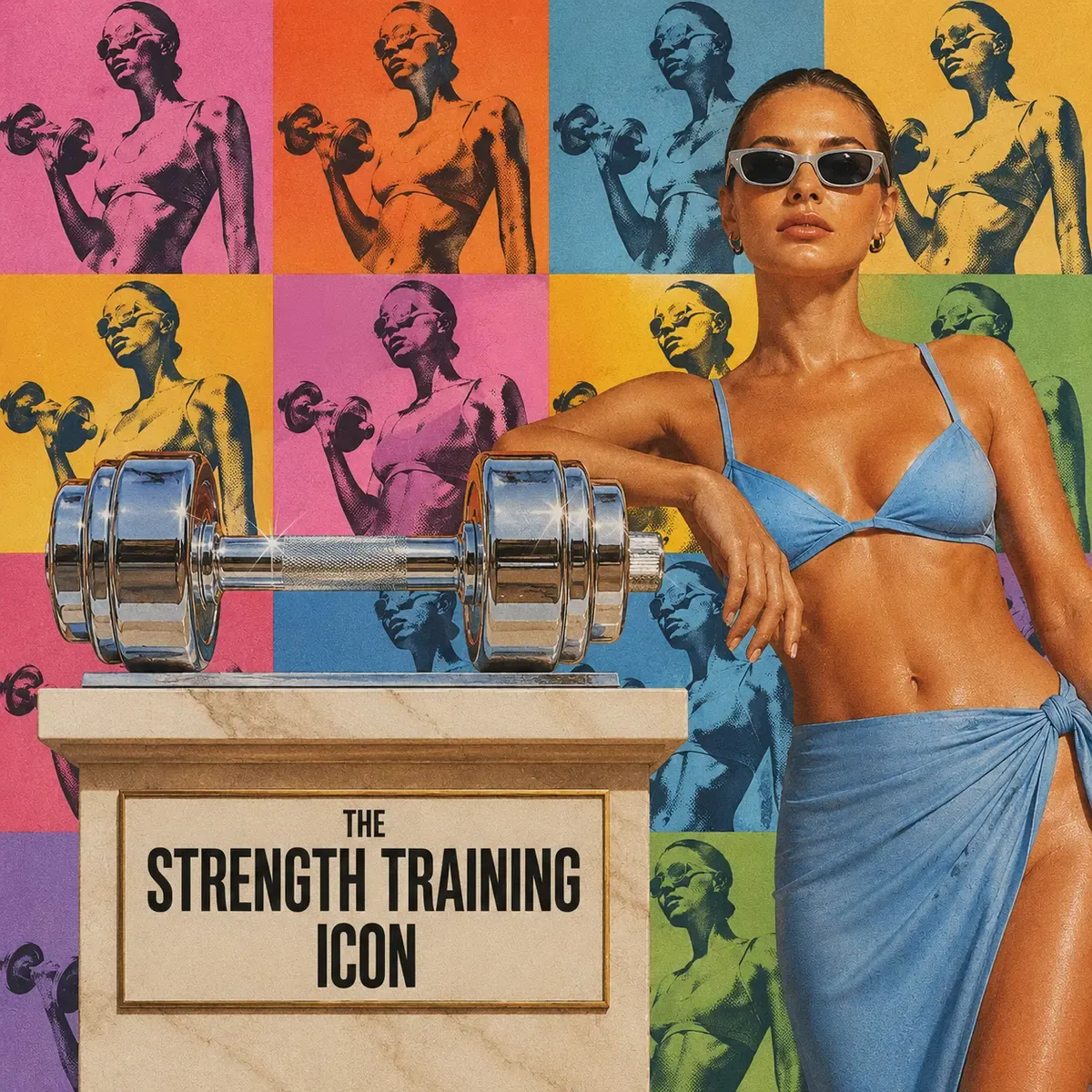
Muscle is one of the most important metabolic organs in the body. It helps you use glucose, supports insulin sensitivity, improves strength and posture, protects your joints, and contributes to how capable you feel in daily life. But muscle needs a reason to stay. If you are not strength training, eating enough protein, or recovering well, your body may gradually lose muscle over time. This can affect body composition, metabolic health, and how your body responds to food and movement. This is one reason women often notice that their old routine stops working. Maybe walking and light workouts were enough in your twenties. Maybe skipping meals felt manageable. Maybe you could be inconsistent and still feel fine. But in your thirties and forties, your body often asks for a stronger foundation. Not a harsher one.
A stronger one. Strength training becomes especially important because it tells your body, “Keep this muscle. We need it.” This does not mean you need to become obsessed with the gym. But it does mean that resistance training should become part of your long-term wellness plan. A simple approach might include:
-
2–4 strength sessions per week
-
progressive resistance over time
-
compound movements such as squats, hinges, rows, presses, and carries
-
enough rest between sessions
-
protein-rich meals to support repair
If your goal is better metabolic health, strength training is not optional decoration. It is one of the foundations. For the nutrition side of preserving muscle, read How Much Protein Do Women Over 35 Really Need? and Body Recomposition for Women: Nutrition Basics.
2. Hormonal Shifts Can Change How Your Body Feels
Hormones influence metabolism, appetite, sleep, mood, energy, and body composition. For women, hormonal changes do not begin only at menopause. Perimenopause can begin years before the final menstrual period, often in the 40s, and for some women even earlier. During this transition, estrogen and progesterone may fluctuate. These changes can affect how your body stores fat, how well you sleep, how you recover, how sensitive you feel to stress, and how stable your energy feels. This does not mean hormones are responsible for everything. Lifestyle, muscle mass, nutrition, stress, sleep, and genetics all matter. But hormones are part of the picture. Research on the menopause transition suggests that women may experience changes in fat mass, lean mass, and fat distribution during this time. In other words, the body may change beneath the surface before the scale gives a clear picture. (PMC) This is why many women say, “I weigh the same, but my body looks different.” It may not be your imagination. Your body composition may be changing — especially if muscle is decreasing and fat distribution is shifting. This is not a reason to fear your hormones. It is a reason to support them. Helpful foundations include:
-
regular strength training
-
enough protein
-
blood-sugar-friendly meals
-
quality sleep
-
stress regulation
-
enough calories to support your body
-
medical guidance if symptoms feel disruptive
Hormonal transitions are not a failure of discipline. They are a real biological shift. Your habits may need to evolve with them.
3. Blood Sugar Regulation May Become More Sensitive
Blood sugar balance is one of the most important parts of metabolic health. When your blood sugar is relatively steady, you may feel more energized, focused, calm, and satisfied after meals. When it swings sharply, you may feel:
-
tired after eating
-
hungry soon after a meal
-
shaky or irritable when meals are delayed
-
foggy in the afternoon
-
pulled toward sugar or refined carbohydrates
-
anxious or unsettled
Insulin sensitivity also matters here. Insulin helps move glucose from the bloodstream into cells. Physical activity can improve insulin sensitivity, which is one reason movement is so valuable for metabolic health. (CDC) As women move through their 30s and 40s, blood sugar may feel more sensitive because of changes in muscle mass, stress, sleep, hormones, and activity levels. This is where meal structure becomes powerful. You do not need to fear carbohydrates. But you may feel better when you pair carbohydrates with protein, fiber, and healthy fats. For example:
-
oats with Greek yogurt, chia seeds, and berries
-
sourdough with eggs and avocado
-
rice with salmon, vegetables, and olive oil
-
potatoes with chicken, herbs, and salad
-
fruit with cottage cheese or nuts
The goal is not “no carbs.” The goal is steady energy. For more on this, read Blood Sugar Balance for Women: What It Means and Why It Matters and How to Build a Blood-Sugar-Friendly Breakfast.

4. Stress Load Often Increases
Many women are not imagining that their bodies feel more reactive in their 30s and 40s. This is often a decade of responsibility. Careers deepen. Families grow or change. Relationships require energy. Parents may need support. Financial pressure may increase. The mental load can become heavy, even when life looks “fine” from the outside. Your body does not separate emotional stress from physical stress as neatly as we sometimes wish. When stress is high, your body may crave quicker energy. You may sleep less deeply. You may feel less motivated to exercise. You may rely more on caffeine. You may skip meals during the day and feel ravenous at night. This can create a metabolic pattern that feels frustrating: stress → poor sleep → cravings → low energy → less movement → more stress This is not about blame. It is about recognizing that metabolism lives inside your real life. A woman under chronic stress does not need another extreme plan. She needs supportive anchors. These may include:
-
eating breakfast before coffee
-
taking a walk after lunch
-
lifting weights two or three times a week
-
setting a realistic bedtime
-
creating quiet transitions between work and evening
-
planning simple protein-rich meals
-
reducing unnecessary intensity in workouts when recovery is poor
Stress regulation is not a luxury wellness practice. It is metabolic care.

5. Sleep Quality Can Decline
Sleep is one of the most underrated metabolism tools. Poor sleep can affect hunger, cravings, mood, insulin sensitivity, motivation, and exercise recovery. When you sleep badly, your body often asks for more quick energy the next day. This is why a tired body can feel like a hungry body. In your 30s and 40s, sleep may become more vulnerable due to stress, children, work pressure, alcohol, late-night screen time, hormonal shifts, or perimenopause symptoms such as night sweats or waking in the early hours. If sleep is off, metabolism often feels off too. You may notice:
-
stronger cravings
-
more caffeine dependence
-
lower training performance
-
less patience
-
increased hunger
-
lower motivation to cook
-
more evening snacking
Instead of responding with more restriction, start with sleep support. Helpful habits include:
-
morning light exposure
-
consistent wake time
-
limiting caffeine later in the day
-
eating enough during the day
-
creating a calming evening routine
-
reducing alcohol if it affects sleep
-
keeping your bedroom cool
-
speaking with a healthcare provider if night waking, hot flashes, anxiety, or insomnia are persistent
Sometimes the most metabolically supportive thing you can do is go to bed earlier. Simple. Not glamorous. Very effective.

6. Your Daily Movement May Quietly Decrease
Many women think of exercise as the only movement that matters. But daily movement plays a large role in metabolic health. This includes walking, taking stairs, cleaning, carrying groceries, standing, stretching, gardening, commuting, and simply moving through your day. In your 30s and 40s, life can become more sedentary without you noticing. More work may happen on a laptop. More driving. More sitting. More time indoors. More responsibilities that leave less space for spontaneous movement. Even if you exercise for 45 minutes, your overall daily movement may be lower than it used to be. This matters because your body benefits from frequent movement, not just formal workouts. One of the simplest habits for metabolic health is walking. Especially after meals. A 10-minute walk after breakfast, lunch, or dinner can support digestion, blood sugar regulation, and energy. It also gives your nervous system a small reset. You do not need to make walking complicated.
You just need to make it available.
7. Dieting History Can Affect Your Metabolic Resilience
Many women enter their 30s and 40s with years of dieting behind them. Low-calorie plans. Carb-cutting. Detoxes. Fasting. “Clean eating” phases. Over-exercising. Starting over every Monday. The body remembers patterns. Long periods of under-eating can affect energy, hunger, training performance, mood, hormones, and your relationship with food. Even when weight loss happens, extreme dieting often makes maintenance harder because the habits are not sustainable. This is why many women feel like they are doing everything “right” but still feel exhausted, hungry, or stuck. Sometimes the body does not need less. It needs more consistency. More protein.
More strength.
More sleep.
More recovery.
More balanced meals.
More trust. A metabolism that has been pushed through years of extremes may need time to feel safe again. This is not a quick fix. But it is deeply worthwhile.
Why “Eat Less and Move More” Often Stops Working
The old advice sounds simple: eat less, move more. But for women in their 30s and 40s, this can backfire when applied too aggressively. If you eat too little and exercise too hard while sleeping poorly and carrying high stress, your body may become more depleted, not more resilient. You may experience:
-
intense cravings
-
poor workout recovery
-
low mood
-
disrupted sleep
-
low libido
-
irregular cycles
-
fatigue
-
increased injury risk
-
feeling obsessed with food
-
weight regain after restriction
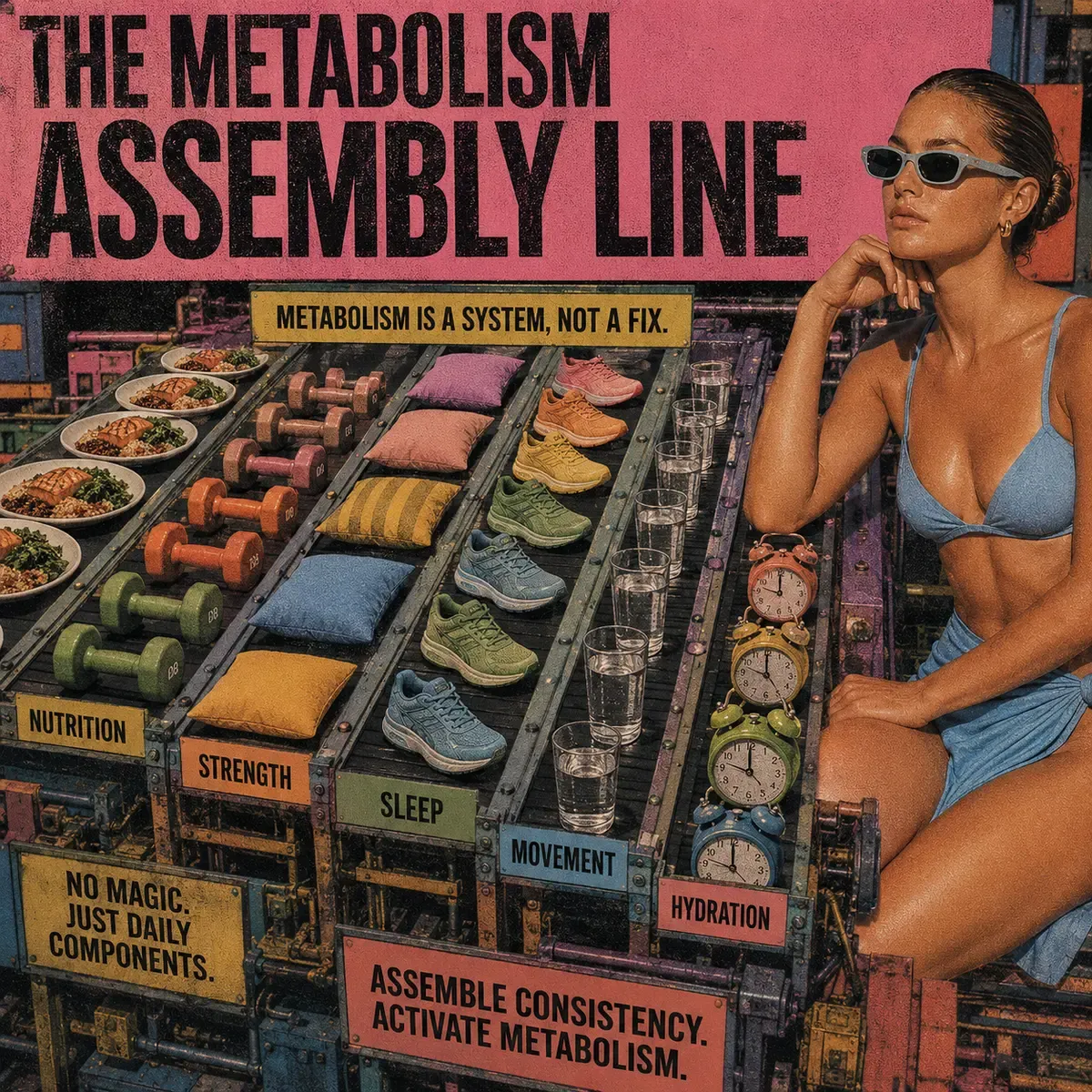
Your metabolism does not thrive on punishment. It thrives on appropriate challenge and adequate support. Strength training is a challenge.
Protein is support.
Walking is support.
Sleep is support.
Recovery is support.
Balanced meals are support. The art is learning how to combine them in a way that fits your body and your life.

How to Support Your Metabolism in Your 30s and 40s
The goal is not to chase the metabolism you had at 22. The goal is to build a metabolism that supports the woman you are now. Here are the foundations.
1. Prioritize Strength Training
Strength training is one of the most effective ways to support muscle, body composition, insulin sensitivity, bone health, and long-term function. Aim for 2–4 sessions per week. Focus on movements that train the whole body:
-
squats or leg presses
-
deadlifts or hip hinges
-
rows
-
presses
-
lunges or split squats
-
carries
-
core stability exercises
You do not need to destroy yourself in every workout. You need to train consistently and progressively. Think: strong, not depleted.
2. Eat Enough Protein
Protein supports muscle repair, satiety, immune function, and healthy aging. Many women eat very little protein at breakfast, a moderate amount at dinner, and not enough overall. This can make energy and appetite harder to regulate. Try spreading protein across the day. For example:
-
breakfast: Greek yogurt, eggs, cottage cheese, tofu, or protein-rich oats
-
lunch: chicken, fish, lentils, beans, tempeh, or lean meat
-
dinner: seafood, eggs, legumes, poultry, tofu, or another protein source
-
snacks: yogurt, boiled eggs, edamame, cottage cheese, hummus, or protein-rich leftovers
For a deeper guide, read How Much Protein Do Women Over 35 Really Need? and Why Protein Matters More as You Age.
3. Build Blood-Sugar-Friendly Meals
A blood-sugar-friendly meal does not have to be complicated. Use this simple formula: Protein + fiber-rich carbohydrate + healthy fat + color Examples:
-
eggs, sourdough, avocado, tomatoes
-
Greek yogurt, berries, chia seeds, walnuts
-
salmon, potatoes, greens, olive oil
-
lentils, roasted vegetables, tahini
-
chicken, quinoa, cucumber, herbs, olive oil dressing
This kind of meal helps you feel full, energized, and more stable. If you often feel tired after eating, read Why You Feel Tired After Eating — and What May Help.
4. Walk More Often
Walking is simple, but it is powerful. It supports cardiovascular health, blood sugar regulation, digestion, mood, and recovery. It is also easier to sustain than intense daily workouts. Start with:
-
10 minutes after one meal
-
a morning walk
-
walking while taking phone calls
-
parking farther away
-
a short evening walk after dinner
Do not underestimate low-intensity movement. It is one of the most elegant forms of metabolic support.
5. Protect Your Sleep
Better sleep often leads to better food choices, better workouts, better recovery, and steadier energy. Start with small improvements:
-
keep caffeine earlier
-
reduce late-night scrolling
-
create a consistent wind-down routine
-
keep the room cool
-
get morning daylight
-
eat enough during the day
-
avoid intense workouts too late if they disrupt sleep
You do not need a perfect sleep ritual. You need a repeatable rhythm.
6. Manage Stress Like It Matters
Because it does. Stress affects appetite, cravings, digestion, sleep, hormones, and how much energy you have for healthy habits. Stress support does not need to be dramatic. It may look like:
-
taking a real lunch break
-
breathing slowly for two minutes
-
walking outside
-
asking for help
-
reducing unnecessary commitments
-
doing fewer intense workouts during high-stress weeks
-
creating quiet space before bed
-
eating regularly instead of running on coffee
A calmer nervous system supports a healthier metabolism. Read Cravings, Blood Sugar, and Stress: The Connection Explained for more on this relationship.
7. Stop Starting Over
Your metabolism does not need a new plan every Monday. It needs consistency. One of the most powerful shifts is to stop treating every imperfect meal, missed workout, or stressful week as a failure. You are not starting over.
You are returning. Return to breakfast.
Return to walking.
Return to strength training.
Return to sleep.
Return to balanced meals.
Return to the basics. That is where long-term metabolic health is built.
What to Avoid
If your metabolism feels different, it can be tempting to become stricter. But stricter is not always better. Be careful with:
-
very low-calorie diets
-
cutting carbs too aggressively
-
doing intense cardio every day
-
skipping meals to “save calories”
-
relying on caffeine instead of food
-
ignoring sleep
-
taking supplements before building foundations
-
constantly changing your routine
-
comparing your 40-year-old body to your 25-year-old body
-
treating weight as the only marker of progress
Your body is not asking to be controlled harder. It is asking to be supported better.
A Simple Weekly Metabolism Support Plan
Here is a gentle starting point. Daily
-
Eat a protein-rich breakfast.
-
Include protein at most meals.
-
Walk for at least 10 minutes after one meal.
-
Get morning daylight.
-
Drink enough water.
-
Eat enough during the day to avoid evening rebound hunger.
2–4 Times Per Week
-
Strength train with progressive resistance.
-
Include full-body movements.
-
Prioritize recovery between sessions.
Most Nights
-
Create a simple wind-down routine.
-
Keep caffeine earlier in the day.
-
Aim for a consistent bedtime.
-
Reduce late-night scrolling.
Once Per Week
-
Plan two or three easy protein-rich meals.
-
Prepare one simple breakfast option.
-
Check in with your energy, cravings, sleep, and mood — not just your weight.
This is enough to begin. Not extreme.
Not overwhelming.
Not perfect. Just supportive.
Related Reading
- Metabolic Health for Women Over 35: A Simple Guide — gives a broader guide to the pillars that support metabolism after 35.
- Why Eating Less Is Not Always Better for Your Metabolism — explains why more restriction is not always the answer.
- How Much Protein Do Women Over 35 Really Need? — helps you put the protein foundation into daily practice.
Final Thoughts
Your metabolism may change in your 30s and 40s, but that does not mean your body is failing you. It means your body is evolving. Muscle becomes more important. Hormones may become more complex. Sleep matters more. Stress leaves a stronger imprint. Blood sugar balance becomes more noticeable. Recovery can no longer be treated as optional. This is not bad news. It is an invitation to care for your body with more intelligence and less punishment. You do not need to chase your younger body.
You do not need to shrink yourself into wellbeing.
You do not need another extreme reset. You need strength. Nourishment. Rhythm. Sleep. Movement. Recovery. Patience. Your metabolism is not a problem to fix. It is a system to support.
Gentle note: This article is for educational purposes only and does not replace medical advice. If you are experiencing persistent fatigue, irregular cycles, rapid weight changes, dizziness, blood sugar concerns, sleep disruption, or symptoms that affect daily life, speak with a qualified healthcare professional for personalized guidance.




















Community Notes
Join the conversation
Share a thoughtful note, question, or lived observation.