
Feeling tired after eating is common. Maybe it happens after lunch, when you sit back at your desk and suddenly your brain feels wrapped in cotton. Maybe it happens after dinner, when all your motivation disappears. Or maybe certain meals leave you feeling strangely heavy, sleepy, bloated, foggy, or in need of a nap. And if you are a woman in your 30s, 40s, or beyond, this can feel especially frustrating. You are already managing work, hormones, stress, family, training, sleep, and a nervous system that may not be getting enough space to recover. So when food — something that is supposed to nourish you — seems to leave you more tired, it can feel confusing. The good news is that post-meal tiredness does not always mean something is “wrong.” Sometimes it is simply your body’s natural response to digestion. But when it happens often, feels intense, or comes with shakiness, dizziness, brain fog, cravings, or mood changes, it may be worth looking more closely at your meals, your blood sugar patterns, and your overall recovery. This article will help you understand why you may feel tired after eating, what may be contributing to it, and what practical, sustainable habits may help you feel steadier. Gentle note: This article is for educational purposes only and does not replace medical advice. If your fatigue is severe, persistent, sudden, or comes with dizziness, fainting, chest pain, confusion, rapid heartbeat, or symptoms of low blood sugar, please speak with a qualified healthcare professional.

Why Do You Feel Tired After Eating?
The tiredness you feel after a meal is sometimes called postprandial somnolence, which simply means sleepiness after eating. It can be influenced by meal size, meal composition, blood sugar changes, circadian rhythm, sleep quality, and underlying health factors. Larger, higher-energy meals and meals rich in refined carbohydrates may make this effect more noticeable. (Sleep Foundation) In simple terms: digestion takes energy. After you eat, your body shifts resources toward breaking down food, absorbing nutrients, and managing changes in blood sugar, hormones, and blood flow. For many people, this creates a gentle dip in alertness. That alone is not unusual. But there is a difference between feeling pleasantly relaxed after a meal and feeling completely wiped out. If you regularly feel like you cannot function after eating, it may be a sign that your body needs more support.

Common Reasons You Feel Tired After Eating
Your Meal Is Very High in Refined Carbohydrates
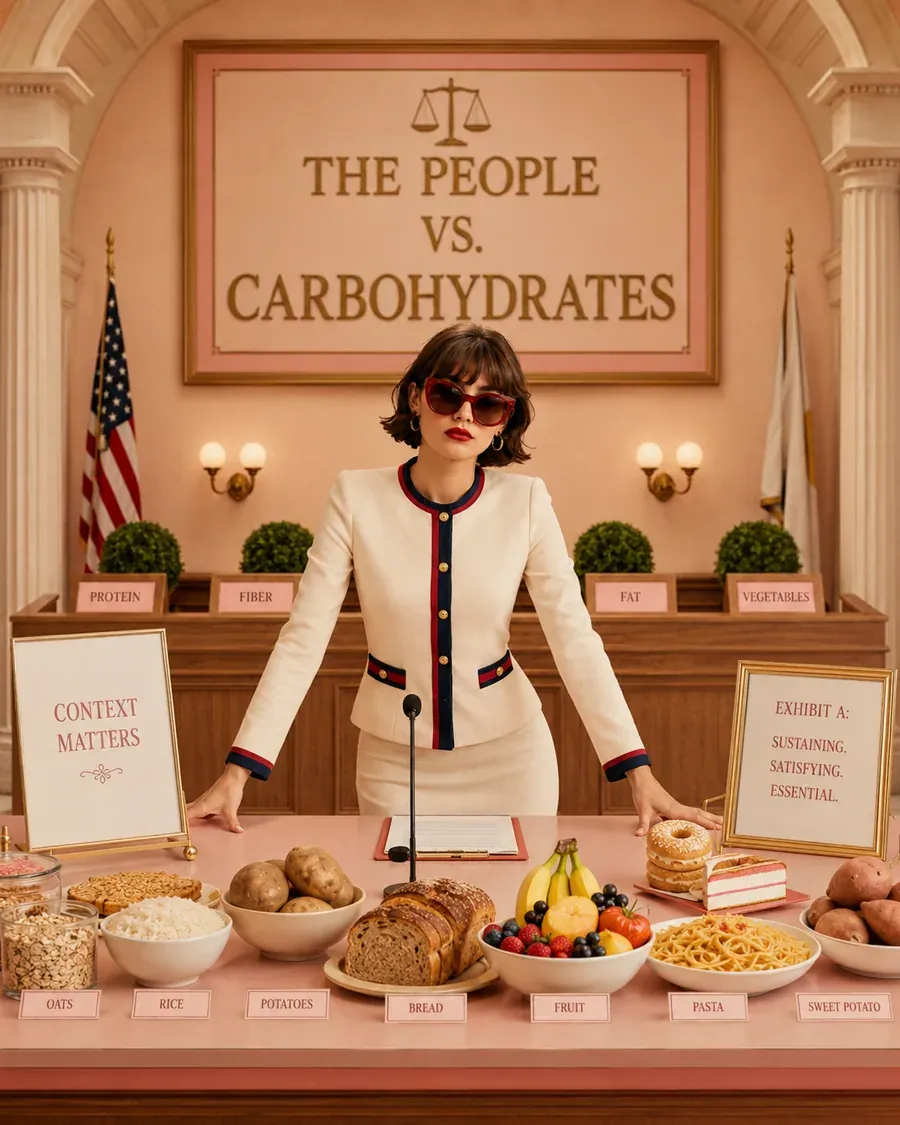
 Carbohydrates are not bad. Your body uses them for energy, and many carbohydrate-rich foods — like oats, potatoes, fruit, beans, lentils, and whole grains — can be deeply nourishing.
The issue is often not carbohydrates themselves, but the type, amount, and context.
A meal that is mostly refined carbohydrates — for example, white bread, sweet pastries, sugary cereal, sweet drinks, or a large bowl of pasta without enough protein, fiber, or fat — may lead to a faster rise in blood sugar. For some people, this can be followed by a noticeable energy dip.
The American Diabetes Association notes that carbohydrates have a significant effect on blood glucose, and choosing nutrient-dense, fiber-rich carbohydrates can support a steadier response. (American Diabetes Association)
This does not mean you need to fear carbs.
It means your body may feel better when carbohydrates are paired with other nutrients.
Think: sourdough with eggs and avocado.
Rice with salmon, vegetables, and olive oil.
Carbohydrates are not bad. Your body uses them for energy, and many carbohydrate-rich foods — like oats, potatoes, fruit, beans, lentils, and whole grains — can be deeply nourishing.
The issue is often not carbohydrates themselves, but the type, amount, and context.
A meal that is mostly refined carbohydrates — for example, white bread, sweet pastries, sugary cereal, sweet drinks, or a large bowl of pasta without enough protein, fiber, or fat — may lead to a faster rise in blood sugar. For some people, this can be followed by a noticeable energy dip.
The American Diabetes Association notes that carbohydrates have a significant effect on blood glucose, and choosing nutrient-dense, fiber-rich carbohydrates can support a steadier response. (American Diabetes Association)
This does not mean you need to fear carbs.
It means your body may feel better when carbohydrates are paired with other nutrients.
Think: sourdough with eggs and avocado.
Rice with salmon, vegetables, and olive oil.
Oats with Greek yogurt, berries, and seeds. Potatoes with chicken, greens, and a tahini dressing. More balance. Less drama.
You Ate a Large Meal
Sometimes the reason is beautifully simple: the meal was too big for what your body needed in that moment. Large meals require more digestive work. They may also increase post-meal sleepiness, especially if they are rich in refined carbohydrates, fat, or total calories. This does not make large meals “bad,” but it may explain why you feel heavy, slow, or mentally foggy afterward. (Sleep Foundation) This can be especially common after:
-
a very large lunch
-
a heavy restaurant meal
-
eating quickly after waiting too long
-
a meal that combines large portions of starch, fat, and dessert
-
eating when stressed or overtired Your body is not failing. It may simply be asking for a gentler rhythm.

Your Blood Sugar May Be Rising and Falling Quickly
Some people experience a noticeable crash after eating, especially after meals high in simple or refined carbohydrates. This can sometimes be related to reactive hypoglycemia, which is when blood sugar drops after a meal, often within two to four hours. Symptoms may include tiredness, shakiness, hunger, sweating, dizziness, anxiety, or weakness. Cleveland Clinic notes that reactive hypoglycemia may happen after certain foods, especially simple carbohydrate foods. (Cleveland Clinic) Not every post-meal crash is reactive hypoglycemia. But if your tiredness comes with feeling shaky, panicky, weak, dizzy, ravenous, or suddenly desperate for something sweet, it is worth paying attention.
A helpful question to ask is: Do I feel gently sleepy, or do I feel like my energy drops off a cliff? That distinction matters.

Your Meal Lacks Protein
Protein plays a quiet but powerful role in energy. It helps make meals more satisfying, supports muscle maintenance, and can slow digestion when paired with carbohydrates. This may help you feel fuller and more stable after eating. For women over 35, protein becomes especially important because muscle mass, recovery capacity, appetite regulation, and metabolic health all become more central to long-term wellbeing. A low-protein breakfast or lunch may look light and “healthy,” but still leave you tired, hungry, and unfocused an hour later. Examples:
- coffee and toast
- fruit alone
- a salad with only vegetables
- crackers and hummus without enough protein
- a smoothie made mostly from fruit and almond milk
Related reading: If you want more structure around protein, start with how much protein women over 35 may need and high-protein breakfast ideas for steady energy.
- a small bowl of cereal These meals are not morally wrong. They may simply be incomplete.

A more supportive version could include eggs, Greek yogurt, tofu, chicken, fish, lentils, beans, cottage cheese, tempeh, or a protein-rich smoothie with enough structure.

Your Meal Is Low in Fiber
Fiber helps slow digestion and supports a steadier release of energy. When meals are low in fiber and high in refined carbohydrates, glucose can enter the bloodstream more quickly. Choosing complex, fiber-rich carbohydrates may help reduce rapid blood sugar spikes compared with more refined carbohydrates. (American Diabetes Association) Fiber-rich foods include:
- oats
- lentils
- beans
- chickpeas
- berries
- apples
- vegetables
- chia seeds
- flaxseed
- whole grains
- potatoes with the skin
- quinoa
Related reading: For a deeper look at fiber, see why fiber matters for women’s health.
- nuts and seeds A simple way to think about this:
 Carbs give you energy. Fiber helps that energy arrive more steadily.
You Are Eating While Stressed
Your body digests best when it feels safe. If you eat while rushing, multitasking, answering emails, scrolling stressful news, or emotionally bracing yourself for the next task, your nervous system may still be operating in a more activated state. This can affect digestion, appetite signals, cravings, and how you feel after eating. Many women do not need a more complicated wellness routine. They need lunch that is not eaten like an emergency. Even five calmer minutes before or during a meal can help:
-
take a few slower breaths
-
sit down properly
-
chew instead of inhale
-
pause before reaching for your phone
-
let the meal feel like a meal, not a task It sounds small because it is small.
 That is why it is doable.
You Are Sleep-Deprived
Sometimes the meal is not the main issue. Sometimes the meal simply reveals the fatigue that was already there. Poor sleep, short sleep, disrupted sleep, perimenopause-related sleep changes, stress, alcohol, late nights, or early waking can all make post-meal sleepiness more intense. Sleep Foundation notes that post-meal tiredness can be influenced by circadian rhythm, meal timing, and underlying sleep issues. (Sleep Foundation) This is why you may feel more tired after lunch on days when you slept badly, even if you ate the same meal you normally tolerate well. Your body is not being inconsistent to annoy you. It is responding to the full picture.

You May Be Dehydrated
Mild dehydration can make fatigue, dizziness, and weakness worse. Mayo Clinic notes that dehydration can reduce blood volume and contribute to symptoms such as weakness, dizziness, and fatigue. (Mayo Clinic) If you are drinking mostly coffee, forgetting water until late afternoon, sweating from training, or eating salty meals without enough fluids, post-meal tiredness may feel stronger. This does not mean you need to obsess over water intake. But it may help to have water earlier in the day, add electrolytes when appropriate, and notice whether your energy improves when hydration is more consistent.

Your Blood Pressure May Drop After Eating
For some people, especially older adults or those with certain health conditions, blood pressure can drop after meals. This is called postprandial hypotension, and it can cause dizziness, lightheadedness, weakness, or feeling unwell after eating. Mayo Clinic notes that this drop typically occurs one to two hours after eating and is more likely in older adults or people with certain autonomic nervous system conditions. (Mayo Clinic) This is not the most common reason for everyday post-meal tiredness in younger healthy women, but it is worth knowing about — especially if your symptoms feel more like dizziness, faintness, or weakness than simple sleepiness. If this sounds familiar, it is best to speak with a healthcare professional.

What May Help You Feel Less Tired After Eating

Build Your Meal Around Protein
A good first step is to ask: Where is the protein in this meal? This does not mean every meal needs to be perfect. But most women feel better when breakfast and lunch include enough protein to keep them satisfied. Supportive protein options include:
- eggs
- Greek yogurt
- cottage cheese
- chicken
- turkey
- fish
- tofu
- tempeh
- lentils
- beans
- edamame
- lean meat
- protein powder, if it suits you
- high-protein dairy or fortified alternatives A helpful target for many women is to include a clear protein source at each main meal. Not a sprinkle. Not a decorative amount. A real serving.
Pair Carbohydrates With Protein, Fiber, and Fat
Instead of removing carbohydrates, try building a better plate. A steady-energy meal often includes:
- Protein for satiety and muscle support
- Fiber-rich carbohydrates for energy
- Healthy fats for satisfaction
- Vegetables or fruit for micronutrients and volume For example: Instead of: toast with jam
Related reading: This is also the heart of the balanced plate method. Try: sourdough with eggs, avocado, and berries Instead of: pasta alone Try: pasta with chicken or lentils, vegetables, olive oil, and parmesan Instead of: fruit smoothie Try: smoothie with Greek yogurt or protein powder, berries, chia seeds, and nut butter Instead of: salad with only vegetables Try: salad with salmon, chickpeas, quinoa, olive oil, and seeds This is not about restriction.
 It is about making the meal more supportive.
Be Gentle With Very Large Lunches
If lunch leaves you exhausted, experiment with meal size. You may feel better with:
- a slightly smaller lunch
- more protein and vegetables
- fewer refined carbohydrates
- less heavy fat at midday
- a planned afternoon snack
- a short walk after eating
This does not mean you need to eat tiny meals. It means you can adjust the meal to match the kind of energy you need afterward. If you need to work, think, train, drive, or take care of children after lunch, your meal should support that — not sedate you.
Take a Short Walk After Meals
A short walk after eating can be one of the simplest ways to support digestion and blood sugar balance. It does not need to be a workout. Even 10 minutes of easy walking after a meal may help you feel clearer and less sluggish. It also creates a natural transition between eating and returning to work, which can be surprisingly helpful for your nervous system. Think of it as a reset, not exercise.

Notice Your Personal Triggers
Not everyone responds to food in the same way. You may feel perfectly fine after potatoes but sleepy after bread. Or fine after rice at dinner but foggy after rice at lunch. Or energized after oats with protein but tired after oats alone. This is why food rules often fail. A better approach is to observe your patterns. For one week, gently track:
- what you ate
- when you ate
- how much you ate
- how fast you ate
- how you slept the night before
Related reading: If you are trying to spread protein more evenly through the day, read protein timing for women.
- your stress level
- how you felt one to three hours later You are not looking for perfection. You are looking for clues.

Eat Enough Earlier in the Day
Many women under-eat in the first half of the day, then feel ravenous by late afternoon or evening. This can lead to larger meals, faster eating, stronger cravings, and more intense post-meal fatigue. A protein-rich breakfast and a balanced lunch may help prevent the dramatic energy swings that show up later. Your body does not love being ignored all day and then overloaded at night. It prefers rhythm.

Support Sleep and Recovery
If you are chronically tired, no meal strategy can fully compensate for poor recovery. Food matters. Blood sugar matters. Protein matters. But sleep still matters.
If your post-meal fatigue is worse during stressful seasons, before your period, during perimenopause, after poor sleep, or during heavy training phases, zoom out. You may not need to “hack” your lunch. You may need more recovery capacity. That could mean:
-
earlier bedtime
-
more consistent meals
-
less alcohol
-
gentler training during high-stress weeks
-
morning light exposure
-
calmer evenings
-
more rest between demanding days This is where wellness becomes less about control and more about support.
A Simple Steady-Energy Plate Formula
Here is an easy structure you can use for most meals:
The Becoming Elysian Steady-Energy Plate
1 palm-sized serving of protein Eggs, fish, chicken, tofu, tempeh, Greek yogurt, lentils, beans, lean meat 1 serving of fiber-rich carbohydrates Oats, potatoes, quinoa, rice, beans, lentils, fruit, whole grains, sourdough 1–2 servings of vegetables or fruit Greens, tomatoes, peppers, broccoli, berries, apples, citrus, roasted vegetables 1 serving of healthy fat Olive oil, avocado, tahini, nuts, seeds, olives Optional: a short walk afterward Especially after lunch or higher-carbohydrate meals
 This kind of meal does not need to be complicated. It just needs to be complete.
Meals That May Help Reduce Post-Meal Tiredness
Breakfast
-
Greek yogurt with berries, chia seeds, walnuts, and a little honey
-
Eggs with sourdough, avocado, and tomatoes
-
Protein oats with berries and flaxseed
-
Tofu scramble with vegetables and potatoes
-
Cottage cheese bowl with fruit, seeds, and cinnamon
Lunch
- Chicken, quinoa, roasted vegetables, greens, and olive oil dressing
- Salmon with potatoes and a large salad
- Lentil bowl with feta, cucumber, herbs, and tahini
- Turkey and avocado wrap with vegetables
- Tofu rice bowl with edamame, vegetables, and sesame
Dinner
- Lean beef or lentil bolognese with pasta and salad
- Chickpea and vegetable stew with Greek yogurt
- Grilled fish with rice and vegetables
- Chicken soup with beans and greens
- Tempeh stir-fry with vegetables and noodles The goal is not to eat perfectly. The goal is to stop building meals that leave your body under-supported.
When Should You Speak to a Healthcare Professional?
Feeling a little sleepy after a large meal is usually not a cause for panic. But it is worth speaking with a healthcare professional if you experience:
-
severe fatigue after eating
-
dizziness or fainting
-
shakiness or sweating
-
confusion
-
heart palpitations
-
frequent nausea after meals
-
symptoms that happen even after balanced meals
-
sudden changes in energy
-
unexplained weight changes
-
excessive thirst or frequent urination
-
ongoing fatigue that affects daily life It may be helpful to check markers such as fasting glucose, HbA1c, iron/ferritin, thyroid markers, B12, vitamin D, blood pressure, and other labs your clinician recommends. You deserve answers — not just another list of wellness rules.

Related Reading
- Blood Sugar Balance for Women: What It Means and Why It Matters — gives the foundation for understanding post-meal energy dips.
- Simple Ways to Reduce Afternoon Energy Crashes — helps with the afternoon version of the same steady-energy pattern.
- How to Build a Blood-Sugar-Friendly Breakfast — shows how your first meal can support steadier energy later.
The Gentle Takeaway
If you feel tired after eating, your body may be asking for steadier support. That might mean more protein. More fiber. A smaller lunch. A calmer eating pace. A short walk. Better sleep. More hydration. Or a conversation with a healthcare professional if symptoms feel strong or unusual. You do not need to fear food. You do not need to remove every carbohydrate. And you definitely do not need to turn lunch into a blood sugar science project. Start with one simple question: How can I make this meal more supportive for the energy I want to feel afterward? That is often enough to begin.




















Community Notes
Join the conversation
Share a thoughtful note, question, or lived observation.